


Melasma Treatment in Wah Cantt
Melasma is a common pigmentation condition that causes brown or grey-brown patches, usually on the cheeks, forehead, nose and upper lip. At Glow Med Clinics International, Dr. Faheem Rao provides personalized dermatology consultations to assess facial pigmentation and discuss suitable treatment options.
If you are looking for melasma treatment in Wah Cantt, a professional skin assessment can help identify contributing factors and guide a care plan suited to your skin type.
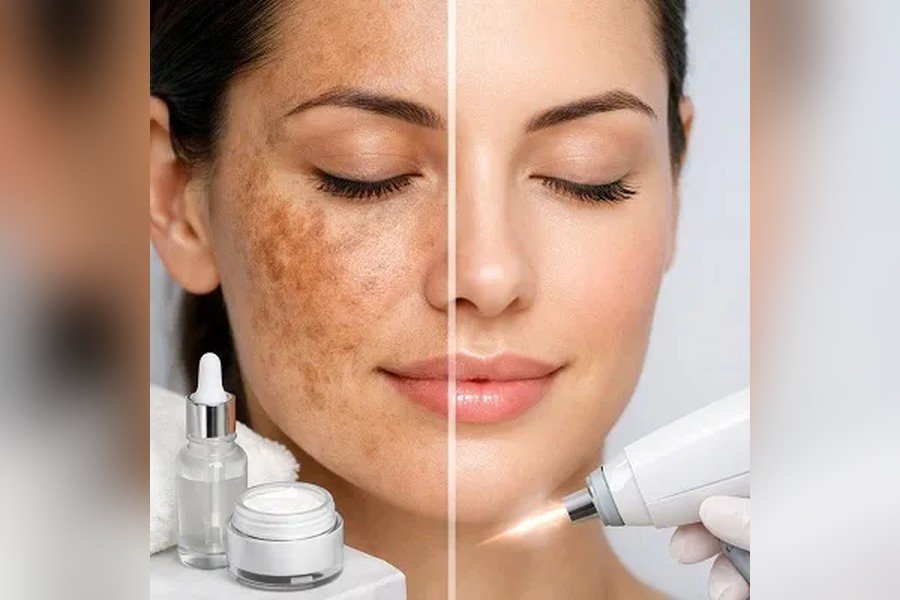
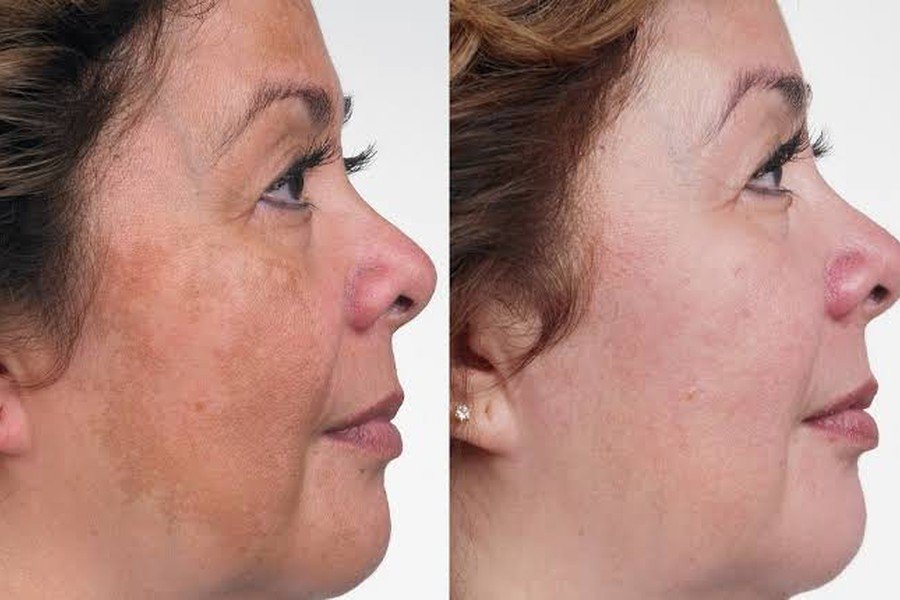
What Is Melasma?
Melasma is a pigmentation disorder in which areas of the skin develop darker patches because of increased melanin production. It commonly appears on sun-exposed areas of the face.
It is more frequently seen in women, although men can also develop melasma. Sun exposure, hormonal changes and genetic factors can contribute to its development.
Melasma is generally harmless, but its visible appearance can affect confidence. A dermatologist can assess the pigmentation and distinguish it from other causes of dark facial patches.
What Causes Melasma?
Melasma can develop through a combination of genetic, hormonal and environmental influences.
Sun Exposure
Ultraviolet radiation and visible light can stimulate pigmentation and make existing melasma darker.
Hormonal Changes
Pregnancy and certain hormonal influences can contribute to the development or worsening of melasma.
Genetic Factors
A family history of melasma may increase the likelihood of developing this pigmentation condition.
Visible Light and Heat
Exposure to visible light and heat may contribute to pigmentation in some individuals.
Skin Irritation
Irritating skincare products or unsuitable treatments can aggravate pigmentation in some skin types.
Individual Skin Factors
Skin type, medical history and personal triggers can influence how melasma develops and responds to care.
Different Types of Melasma
Melasma can be classified according to the depth and pattern of pigmentation. This can influence how it is assessed and managed.
Epidermal Melasma
Pigmentation is mainly located in the upper layers of the skin. It may appear brown and can sometimes respond more readily to appropriate treatment.
Dermal Melasma
Pigment is located deeper in the skin. It may appear greyish or bluish-brown and can be more challenging to manage.
Mixed Melasma
This involves pigmentation in both superficial and deeper skin layers. Treatment needs to be selected carefully.
Common Signs of Melasma
Melasma usually appears as flat, irregular patches of pigmentation. It does not typically cause pain or itching.
- Brown, light-brown or grey-brown patches on the face.
- Darkened areas on the cheeks and forehead.
- Discoloration around the upper lip or nose.
- Symmetrical patches appearing on both sides of the face.
- More noticeable pigmentation after sun exposure.
A professional assessment is recommended if pigmentation is changing, unusual, raised, painful or associated with other symptoms.
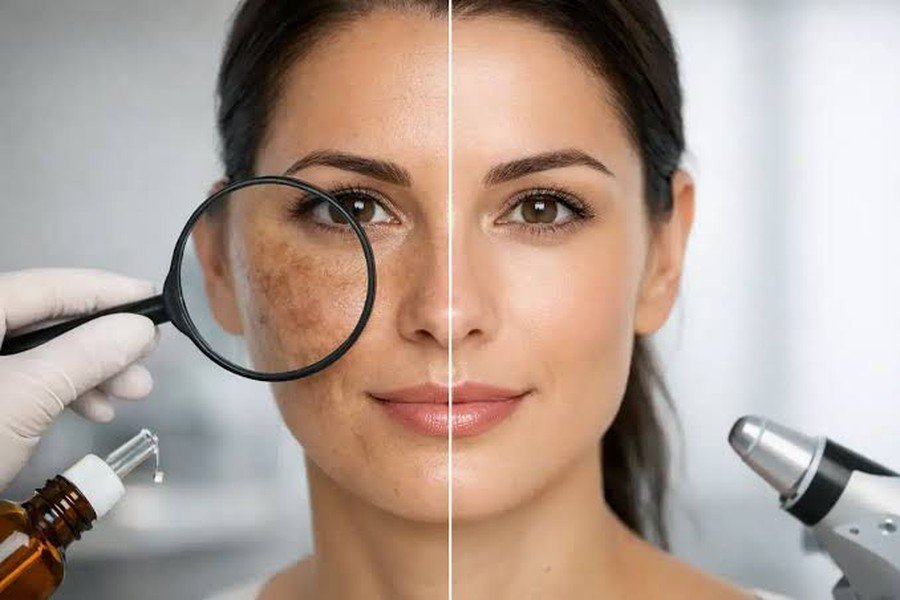
Melasma Treatment Options in Wah Cantt
Melasma treatment in Wah Cantt should be selected according to the patient’s skin type, pigmentation pattern, medical history and previous treatment response. There is no single treatment that works for everyone.
Choosing the right melasma treatment in Wah Cantt starts with understanding the cause and depth of facial pigmentation. A personalized approach helps determine which skincare and treatment options may be suitable for your skin.
Depending on the clinical assessment, a dermatologist may discuss suitable options such as:
Personalized Skincare
A suitable skincare routine can help support the skin barrier and reduce irritation that may worsen pigmentation.
Topical Treatments
Certain dermatologist-prescribed creams and topical ingredients may help reduce excess pigmentation. Selection depends on individual suitability and safety.
Chemical Peels
Selected superficial chemical peels may be considered for suitable patients. The peel type and strength require careful professional selection.
Laser and Light-Based Procedures
Certain procedures may be considered in selected cases. These treatments require caution because they can sometimes worsen pigmentation.
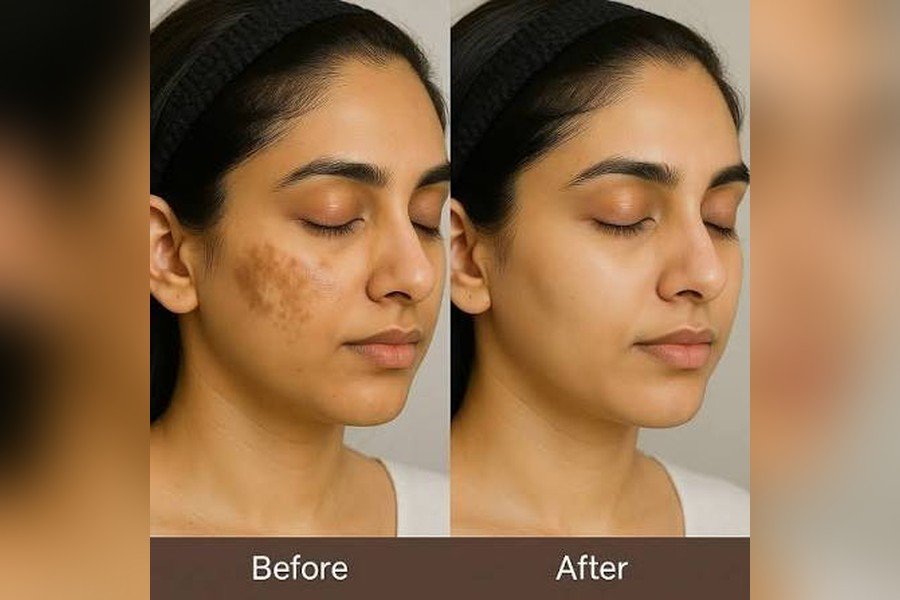
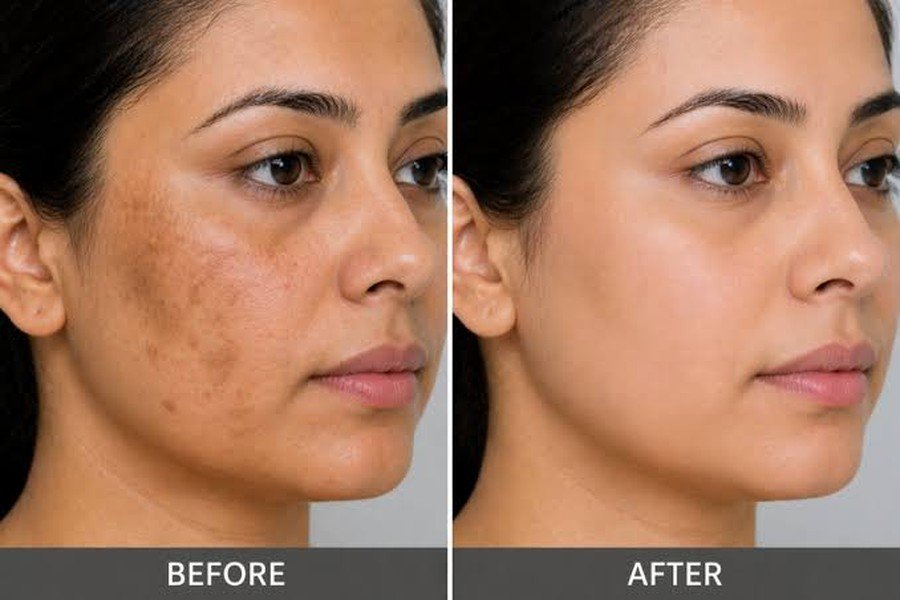
Melasma and Pigmentation Treatment Images
Explore the facial pigmentation images below. Individual outcomes depend on the underlying condition, skin type and treatment approach.
How to Help Prevent Melasma from Worsening
Sun protection is an important part of managing melasma. Even after pigmentation improves, exposure to sunlight and visible light may cause it to return or become darker.
- Use a broad-spectrum SPF 30 or higher sunscreen as advised.
- Consider a tinted sunscreen containing iron oxides for visible-light protection.
- Reapply sunscreen regularly, particularly outdoors.
- Wear a wide-brimmed hat and seek shade when possible.
- Avoid harsh products that cause redness or irritation.
- Follow your dermatologist’s recommended skincare routine.
For additional medical information, read the American Academy of Dermatology’s guide to melasma.
Meet Dr. Faheem Rao
Dr. Faheem Rao is a Skin, Hair and Aesthetic Specialist and Medical Director at Glow Med Clinics International. He has over 10 years of experience in dermatology, laser treatments, hair restoration, scar management and personalized skincare solutions.
Patients seeking melasma treatment in Wah Cantt can receive an individual skin assessment and discuss suitable approaches for their pigmentation concerns.
Professional Details
Qualifications: MBBS · MCPS · CHPE
Specialty: Skin, Hair & Aesthetic Care
Position: Medical Director, Glow Med Clinics International
Location: Wah Cantt, Pakistan
Frequently Asked Questions About Melasma
Answers to common questions about melasma, pigmentation and treatment.
What is the best treatment for melasma?
The appropriate treatment depends on pigmentation depth, skin type and medical history. Options may include sun protection, prescribed topical treatments and selected procedures under professional supervision.
Can melasma be permanently removed?
Melasma is a chronic condition that can improve with appropriate management, but it may return. Ongoing sun protection and maintenance care are often important.
Does sun exposure make melasma worse?
Yes. Ultraviolet radiation and visible light can stimulate pigmentation and make melasma more noticeable. Consistent sun protection is an important part of care.
How long does melasma treatment take?
Improvement can take several weeks to months, depending on the type and depth of pigmentation and the treatment plan. Response varies from person to person.
Can men also develop melasma?
Yes. Although melasma is more common in women, men can also develop facial pigmentation associated with sun exposure, genetic factors and other influences.
Is melasma treatment suitable for every skin type?
Treatment needs to be selected according to skin type, pigmentation depth and sensitivity. Some procedures may carry a higher risk of irritation or worsening pigmentation in certain patients.
Where can I get melasma treatment in Wah Cantt?
Patients can visit Glow Med Clinics International at 6/16, 1st Floor, Main Market, Minar Road, Wah Cantt, Pakistan, for a dermatology consultation with Dr. Faheem Rao.
Melasma Treatment at Glow Med Clinics International
Glow Med Clinics International provides skin, hair and aesthetic care in Wah Cantt, Pakistan. Patients concerned about melasma, facial pigmentation or uneven skin tone can enquire about a consultation and suitable treatment options.
For patients searching for melasma treatment in Wah Cantt, our clinic provides a local point of contact for dermatology consultation and personalized skin-care guidance.
Clinic Details
Clinic: Glow Med Clinics International
Address: 6/16, 1st Floor, Main Market, Minar Road, Wah Cantt, Pakistan
Doctor: Dr. Faheem Rao
Contact Information
Phone: +92 326 6451513
Website: drfahimrao.com
Services: Explore Dermatology Services
Doctors: Meet Our Doctors